
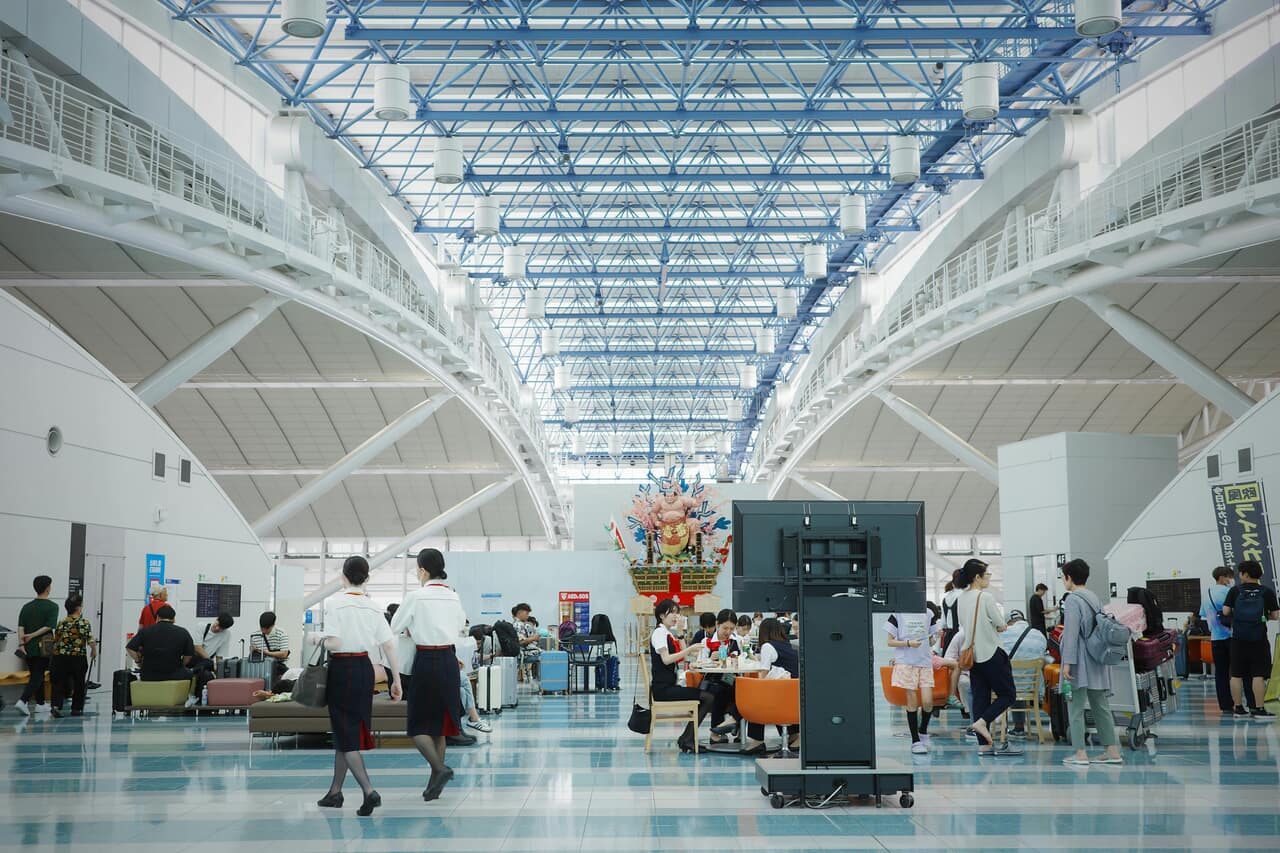
Overview of Fukuoka Start-Up Visa
Intention of the Start-up Visa
Since the bubble burst and the succeeding stagnation of the economy of the 1990s, Japan has attempted several reforms to its Economy. Out of the many policies that attempted to reinvigorate the Japanese economy for about three decades, one notable example has been the utilization of foreign nationals in the Japanese economy. Although this took many forums, certainly one of the central policies the government applied was the start-up visa program from the existing policy of National Strategic Special Zones (kokka senryaku tokku).
According to the government, the aim of the National Strategic Special Zones is to create a business-friendly environment in certain areas of Japan to facilitate economic activity. Currently, 16 areas in Japan have been designated as these zones, in which the local government loosens regulations or is given special permission for certain business activities. Local governments encourage business activities through directly involving themselves in or creating institutions that support entrepreneurship, education, and visa applications. The Start-up visa started in this policy and became one of the hallmarks for these local governments in utilizing foreign nationals for further diversification of the economy, innovation, and covering talent shortages. The success and the importance of the start-up visa are evident in recent developments, as in January 2025, the start-up visa became available for all local municipalities in Japan.
Fukuoka city, located in southwestern Japan, was one of the frontiers in this policy, being granted the National Strategic Special Zone in 2014. Due to factors of relative closeness to other Asian countries, its past effort of being an international city, a growing population rate, and cheaper cost of living, Fukuoka became a very optimal location for many foreigners, resulting in one of the fastest-growing cities for foreigners.
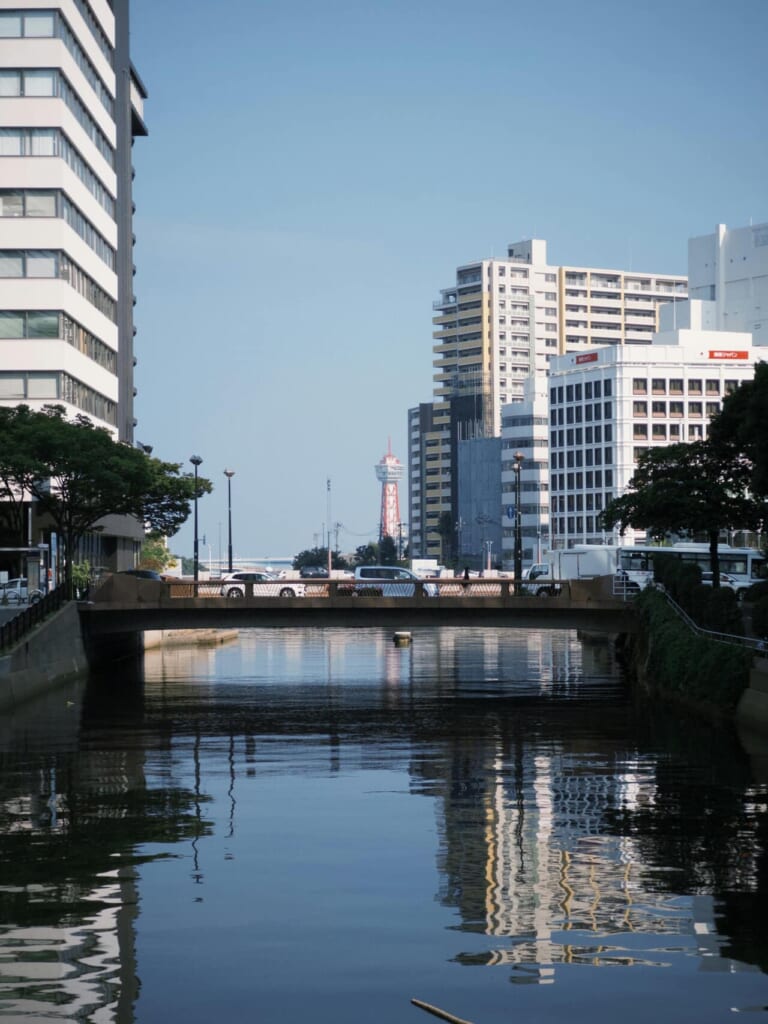
The start-up visa in Fukuoka
In essence, the Fukuoka start-up visa and start-up visa in general aim for an easier pathway for foreigners to set up their own start-up business while simultaneously obtaining residential permits. In conventional business permits, foreign nationals are given rigorous requirements such as employment of at least 2 members, a designated building for a business, as well as an investment or equity of 5 million yen.
On the contrary, in this start-up system, the process becomes much smoother for a foreign national entrepreneur, as they are given a 6-month visa under a special time period for business development if they pass background checks and if the plan for the business is seen as viable. In the following months, if the start-up business is seen as upholding the requirements for a business, the entrepreneur could also obtain a separate long-term visa for business management.
The start-up visa in Fukuoka started in December 2015, the earliest in Japan. The start-up visa in Fukuoka requires entrepreneurs to be in the following 5 sectors of innovation: smart manufacturing, health/medicals, energy/climate, logistics, and trade. The Fukuoka start-up visa changed in December 2018, allowing a further one year of residency after application, and is currently able to be updated to a maximum extension of two years. Furthermore, the applied start-up visa became more flexible as regulations on the designated building for business became lax, allowing the business to be declared in certified coworking places in a certain timeframe, as well as the ability for foreign students to quickly shift their visa status to the start-up visa.
Changes
On October 16th, 2025, several changes were made to the existing business permit law. Although there were no specific changes in the applicable industry and the time period of the application, the requirements for the business permit became stricter. The following are the changes that could affect a start-up visa applicant. One: Required asset and equity amount accumulated over a year increased from 5 million yen to 30 million Yen. Two: A necessity that, within a year of the start-up business, the business must hold at least one full-time employee. Three: Requirement for the visa holder to have one year of experience in business management and at least a master’s degree in any field on which the business is based, or work experience in the related field for over 3 years. Four: To be residing in Japan when the start-up business is operated.
The above-mentioned are some of the laws that affect a start-up visa applicant, but a few other points also could be mentioned that would affect the operation of the business by a foreigner. For instance, for the employee requirement, the new law requires at least one Japanese national or an employee with a language skill certified by either a standardized test (such as in JLPT, BJT), a graduate of a Japanese education institution, or a permanent resident over 20 years. Another notable change is that for a business plan to be seen as viable, it must be certified by a professional in the field of business, such as an accountant and an enterprise management consultant.

Conclusion
The start-up visa process in Japan has seen several significant changes, such as being applied to the whole nation in January of 2025, but more regulations were added in October. However, considering the issue of immigration is a highly discussed topic recently, additional changes could be expected. Regardless of such changes, Fukuoka is likely to continue to be one of the favoured positions compared to other regions, thanks to its comprehensive start-up supporting eco-system. On top of favorable demographic and economic conditions, the supporting organizations, financial aids, tax reduction, subsidies, and funding system would likely continue to attract foreign entrepreneurs to Fukuoka.
References:
Fukuoka City Websites
https://www.city.fukuoka.lg.jp/keizai/g-startup/business/R7nd/startupviza_2.html
https://www.city.fukuoka.lg.jp/keizai/g-startup/business/rent_subsidy_2025.html
https://www.city.fukuoka.lg.jp/keizai/g-startup/business/coworkingspace-nintei-2025.html
https://www.city.fukuoka.lg.jp/soki/kikaku/shisei/f-tokku/Startuphoujingennzei.html
https://www.city.fukuoka.lg.jp/soki/kikaku/fukuoka_tokku_top.html
https://www.city.fukuoka.lg.jp/soki/kikaku/documents/R6_kokkasenryakutokku_brochure.pdf
METI
https://www.meti.go.jp/policy/newbusiness/startupvisa/index.html
https://www.meti.go.jp/policy/newbusiness/startupvisa/startupvisa_20251016.pdf
https://www.meti.go.jp/english/policy/economy/startup_nbp/startup_visa.html
Immigration Service Agency
https://www.moj.go.jp/isa/applications/resources/10_00237.html
Cabinet Office
https://www.chisou.go.jp/tiiki/kokusentoc/startupvisa_zenkokutenkai.html
The Japan Research Institute, United
https://www.jri.co.jp/MediaLibrary/file/report/researchfocus/pdf/10580.pdf
Japanese Finance Corporation
https://www.jfc.go.jp/n/findings/pdf/ronbun2105_04.pdf
Start Up Fukuoka
https://fukuoka.startup-city.jp/